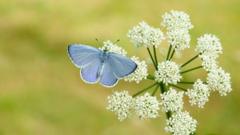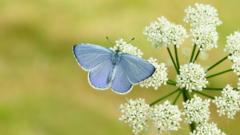
The Big Butterfly Count 2026 runs from 17 July to 9 August.
People are encouraged to choose a spot and count the butterflies and moths they see there for 15 minutes per day, logging it on the website or via the app.
The good news for butterflies was a sign other insect species may be thriving, said Prof Helen Roy, of the UK Centre for Ecology and Hydrology and the University of Exeter.
She said the long-term fall in butterfly populations, dating back to the 1970s, had been driven by their habitats being destroyed or degraded.
Since then, however, she had been "encouraged" by initiatives such as No Mow May, which encourages people to let grassy areas grow wild, increasing the places for butterflies to feed and breed.
Roy said helping the butterflies could be as easy as leaving your garden to become "messy" and "diverse".
"If more and more of us create those havens, we'll have that kind of patchwork... all the way across the country," she said.
"I love to think that we can do that and help insects to thrive."