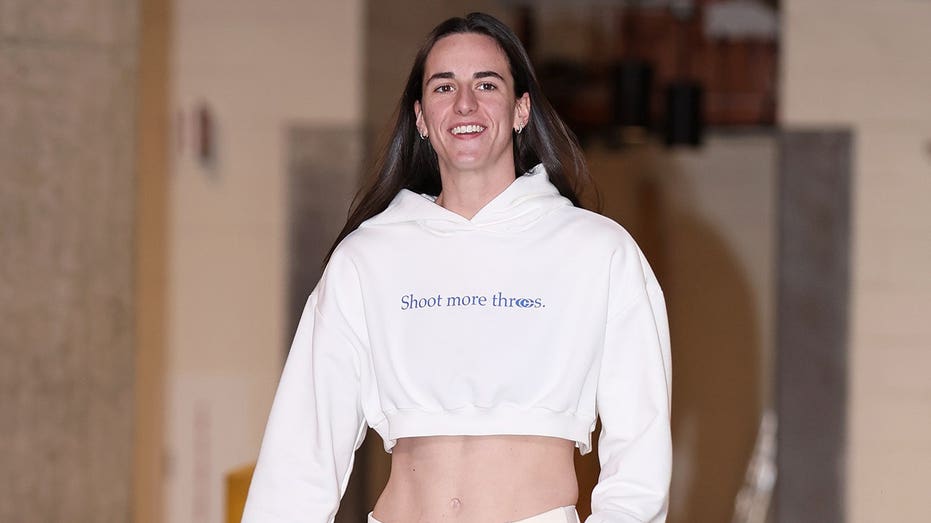
The WNBA and its media cheerleaders desperately want to prove that its fan-interest boom is bigger than Caitlin Clark.
But the numbers keep saying otherwise.
The latest example came last week, when Clark and the Indiana Fever defeated the Toronto Tempo 113-91 at Gainbridge Fieldhouse on June 16. Clark recorded a double-double with 21 points and 14 assists, but perhaps more importantly, helped deliver a massive audience for USA Network.
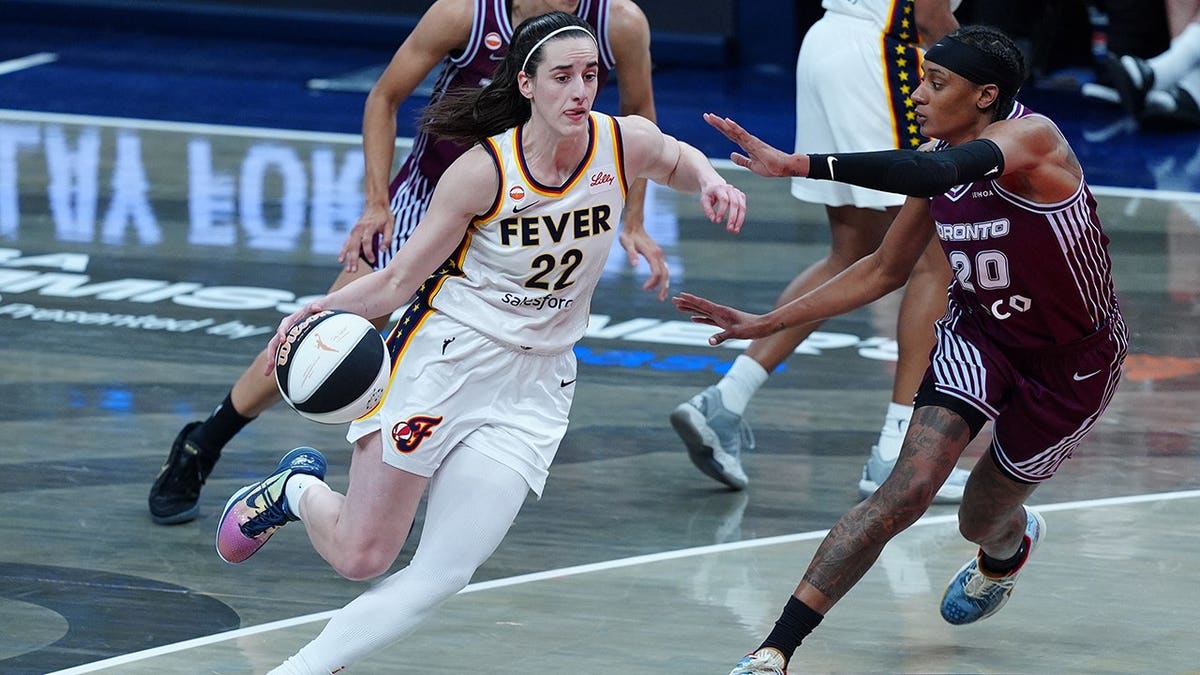
Caitlin Clark helped draw a massive number for the Indiana Fever's June 16 win over the Toronto Tempo. (Brian Spurlock/Icon Sportswire)
The game averaged 1 million viewers, according to Sports Media Watch, making it the largest audience for a WNBA game on cable or streaming this season.
That's a big number for the WNBA, especially considering the network on which it came.
This wasn't ABC. It wasn't CBS. It wasn't a national broadcast network with massive reach. It was USA Network, a cable channel, in the middle of June, on a Tuesday night.
Before Clark arrived, that kind of number was almost impossible for the WNBA to hit.
In fact, prior to Clark's rookie season, Sports Media Watch noted that the league had gone nearly 16 years without a seven-figure television audience. The last one came in 2008, when Candace Parker's first professional game drew 1.07 million viewers on ABC.
That was the old bar: seven figures on ABC.
Now, when Clark is involved, 1 million viewers on cable is in play.
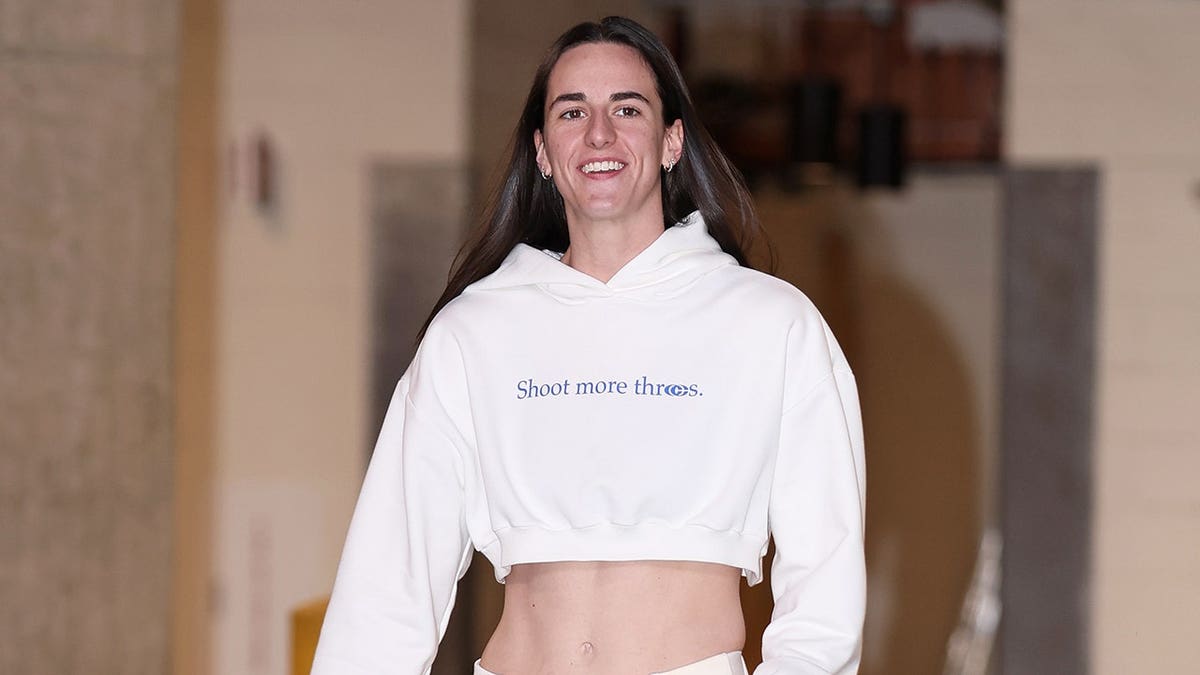
Caitlin Clark is clearly the most popular player in the WNBA. (Pepper Robinson/NBAE)
And this isn't some one-off, either. Clark and the Fever have been doing this all season.
Indiana's opening-weekend game against the Dallas Wings averaged 2.49 million viewers on ABC. That was the fourth-largest WNBA audience, including playoffs and All-Star Games, since 2000.
Then Clark and the Fever faced the New York Liberty on CBS earlier this month and averaged 2.56 million viewers. That game peaked at 3.02 million and became the third-largest WNBA audience of any kind since 2000.
There is one caveat. Recent Nielsen methodology changes make direct comparisons with older WNBA ratings imperfect. Still, it's clear that the WNBA is drawing better numbers than it used to.
But the biggest numbers still keep coming back to one person, despite what the media and other players in the league try to tell themselves.
Every time Clark produces monster ratings, the response from certain corners of the sports media world is to turn it into a general women's basketball success story. And sure, there is some truth to that. More people are paying attention to women's basketball, both professional and college, than ever before.
But why are they paying attention?
That's the part so many seem afraid to say out loud.
But we're not. It's because of Caitlin Clark.
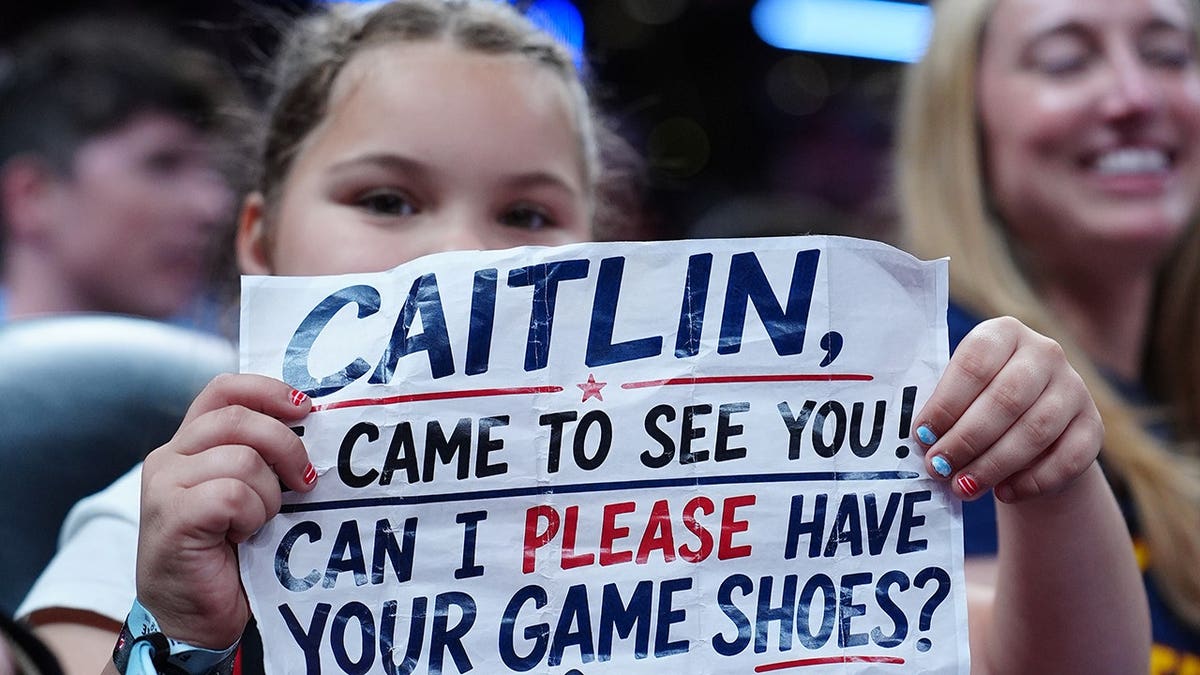
A young Indiana Fever fan holds up a sign for Caitlin Clark during a game against the Phoenix Mercury. (Brian Spurlock/Icon Sportswire)
One week after Clark and the Fever drew 2.56 million viewers on CBS against the Liberty, the Minnesota Lynx and Las Vegas Aces played on CBS in another key national WNBA window.
It had the recipe to draw a huge number for the league. It was a premier matchup between one of the best teams in the league, the Lynx, and the defending champion Las Vegas Aces, led by arguably the league’s best player, A’ja Wilson. Those same corners of the media like to argue that Wilson is the actual superstar in the WNBA, not Clark.
ZERO BS. JUST DAKICH. TAKE THE DON’T @ ME PODCAST ON THE ROAD. DOWNLOAD NOW!
In fact, Los Angeles Times columnist Bill Plaschke recently wrote: "It’s not too late for Clark to clean up her act and once again become the WNBA’s most marketable and popular superstar — a spot currently held by the poised and professional A’ja Wilson, who has led the Las Vegas Aces to three titles."
So, according to that logic, Wilson should have helped deliver at least a seven-figure audience for the WNBA against one of the league's best teams in a primetime window on a major network.
But, nope, the game drew 872,000 viewers.
Now, that's a strong number for the WNBA. Prior to Clark's arrival, the league would have thrown a party over drawing nearly 900,000 viewers for a regular-season game. Or any game, really. But Clark's CBS game one week earlier nearly tripled it.
And the same pattern showed up on cable. The June 16 Tempo-Fever game hit 1 million viewers on USA Network. One day earlier, Aces-Wings on USA drew 457,000 viewers.
This isn't about denigrating the other players in the league. Wilson is probably the most talented women's basketball player on the planet right now. Angel Reese, despite her limited basketball skills, markets the heck out of herself and helps drive conversations.
But the television ratings don't lie.
ANGEL REESE OPENS UP ON SINGING BLACK NATIONAL ANTHEM WHILE FEVER FANS BOOED HER
Casual viewers have made it very clear that they tune in for one reason and one reason only.
Her name is Caitlin Clark.
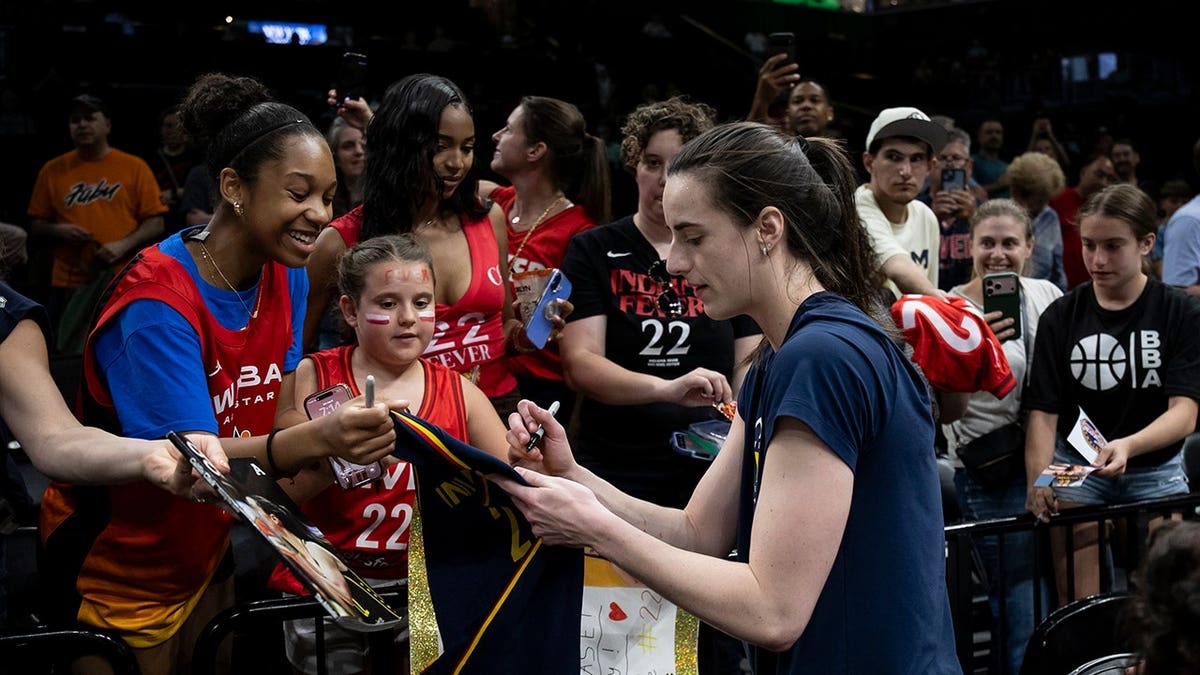
Caitlin Clark of the Indiana Fever signs autographs for fans before a game against the New York Liberty at Barclays Center in New York City. (Michelle Farsi/Getty Images)
The WNBA can be better positioned now than any time in its history and still be overwhelmingly dependent on Clark for its biggest TV audiences. Both things can be true.
Actually, they are true.
Clark changed the expectations for the league. A few years ago, a million viewers for any WNBA game was literally unachievable. Now, a million viewers for a Clark cable game feels like the floor for a broadcast involving the league's biggest star.
That's how much she has changed the business.
The league and its media allies can keep trying to sell this as a generic WNBA boom if they want.
They can avoid letting the facts get in the way of their preferred narrative.
But the data are clear: Clark is by far the biggest driver of the WNBA's newfound popularity.
Let's stop pretending it's more complicated than that.
Dan Zaksheske is a reporter at OutKick.