By
/ CBS News
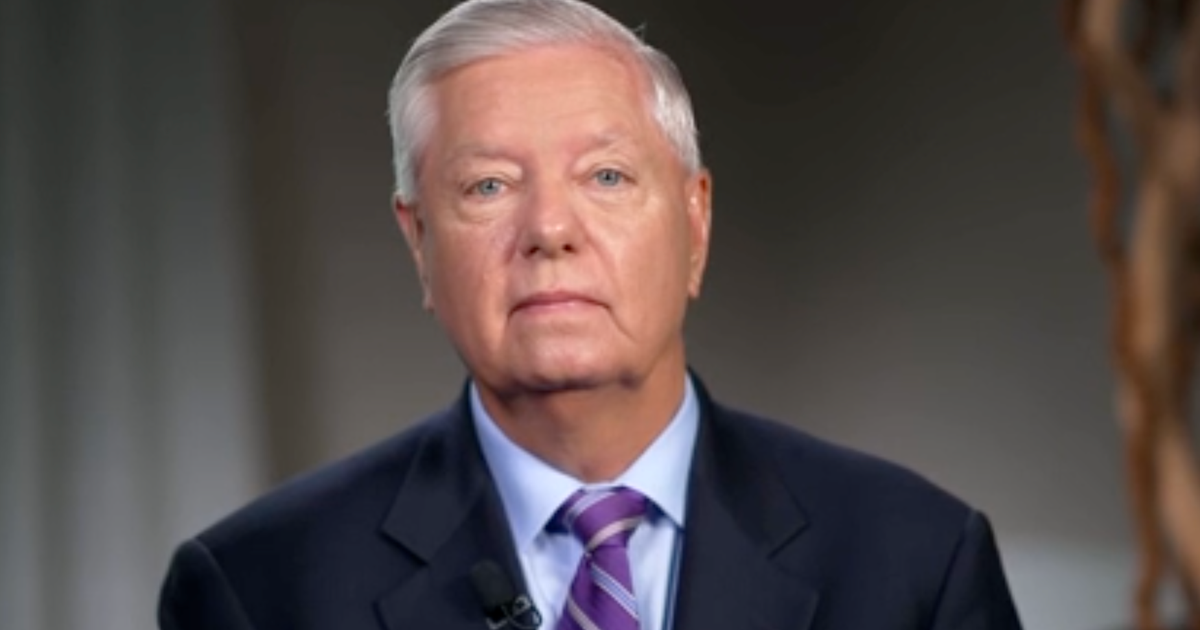
Washington — GOP Sen. Lindsey Graham of South Carolina said Sunday he expects the U.S.'s attempts to reach a diplomatic solution with Iran to fail, though he noted that he would "rather try diplomacy than take it off the table."
"Let's try a diplomatic solution. I think it's going to fail. What happens next?" Graham said on "Face the Nation with Margaret Brennan."
Vice President JD Vance and other U.S. negotiators are meeting with Iranian officials in Switzerland on Sunday, as the clock starts on a 60-day negotiating period following the two countries' signing of a memorandum of understanding last week. But already, conflict between Israel and Iran-backed Hezbollah has endangered the U.S.-Iran ceasefire. Iran said Saturday that the Strait of Hormuz will be closed again after it accused the U.S. and Israel of violating the agreement.
Graham, who said he spent four and a half hours with the president on Friday, outlined that if a deal fails, he expects "President Trump is going to take the Strait of Hormuz over by force."
"The United States will control the Strait of Hormuz, we'll charge a fee for all those who go through to pay for the operation, and we're going to expand the Abraham Accords in calendar year 2026," Graham said.
Graham added, "if Iran contests control of the Strait of Hormuz by the United States, we will obliterate them."
"So, to all the people listening, if this diplomatic effort fails, President Trump is going to take the Strait of Hormuz. We're going to run it," Graham said. "We're going to try to get Saudi Arabia to join the Abraham Accords, end the Arab-Israeli conflict in 2026. And if Iran continues to attack Israel and Lebanon, the new policy will be, we'll hit Iran."
Earlier this month, Graham — who has long held hawkish views on Iran — came out strongly against the initial contours of the deal. He took particular issue with $300 billion in slated reconstruction funds for Iran, which he wrote on X would be "akin to a Marshall Plan for Germany with the Nazis still in charge." In recent days, following the release of the 14-point memorandum of understanding with Iran, Graham's position appeared to change.
Graham explained on Sunday that "before, I thought the money was coming from the West." Now, he believes U.S.-allied Gulf states are likely to provide the money, which he said would be a positive development because "it would mean that the Sunni Arabs believe that Iran has changed to the point they want to be a business partner."
While the South Carolina Republican called the memorandum of understanding "problematic," he argued "the money Iran gets is not going to change the future of Iran."
"It's not enough to reconstruct the country," Graham said.