Major cruise lines Royal Caribbean, Carnival, Norwegian, and MSC can be held financially liable for using the American-built port in Havana, Cuba, which was confiscated by the communist government in 1960, the Supreme Court ruled on Thursday.
In a 8-1 decision, the justices concluded that federal law allows the U.S. firm that built, operated, and temporarily owned part of the port before the Cuban Revolution -- Havana Docks Corporation -- to sue the cruise companies in federal court seeking hundreds of millions of dollars over commercial use of the port for tourism decades later, between 2016 and 2019.
The ruling comes as the Trump administration ramps up pressure on Cuba, including an ongoing oil embargo and a criminal indictment unsealed Wednesday of former leader Raul Castro. It could further chill business dealings with the communist country, opening the door to similar claims against companies that have sought to establish commercial ties with the island in recent years.
The case centered on the Cuban Liberty and Democratic Solidarity Act of 1996, a law passed by Congress after Cuban fighter jets shot down two unarmed Cessna planes operated by Brothers to the Rescue and aimed to deter trafficking in American property seized by the Cuban Government during the revolution.
"The Act generally makes those who use property tainted by a past confiscation liable to any U.S. national who owns a claim to that property," Justice Clarence Thomas wrote for the majority.
In 2016, after the Obama administration fostered new relations with Cuba, U.S. cruise lines began sailing from Florida to Havana for the first time in 50 years. Those stops continued through 2019.
President Donald Trump was the first president since the act was passed to enforce a provision of the law that allowed U.S. entities to sue anyone who trafficked property confiscated by the Cuban government.
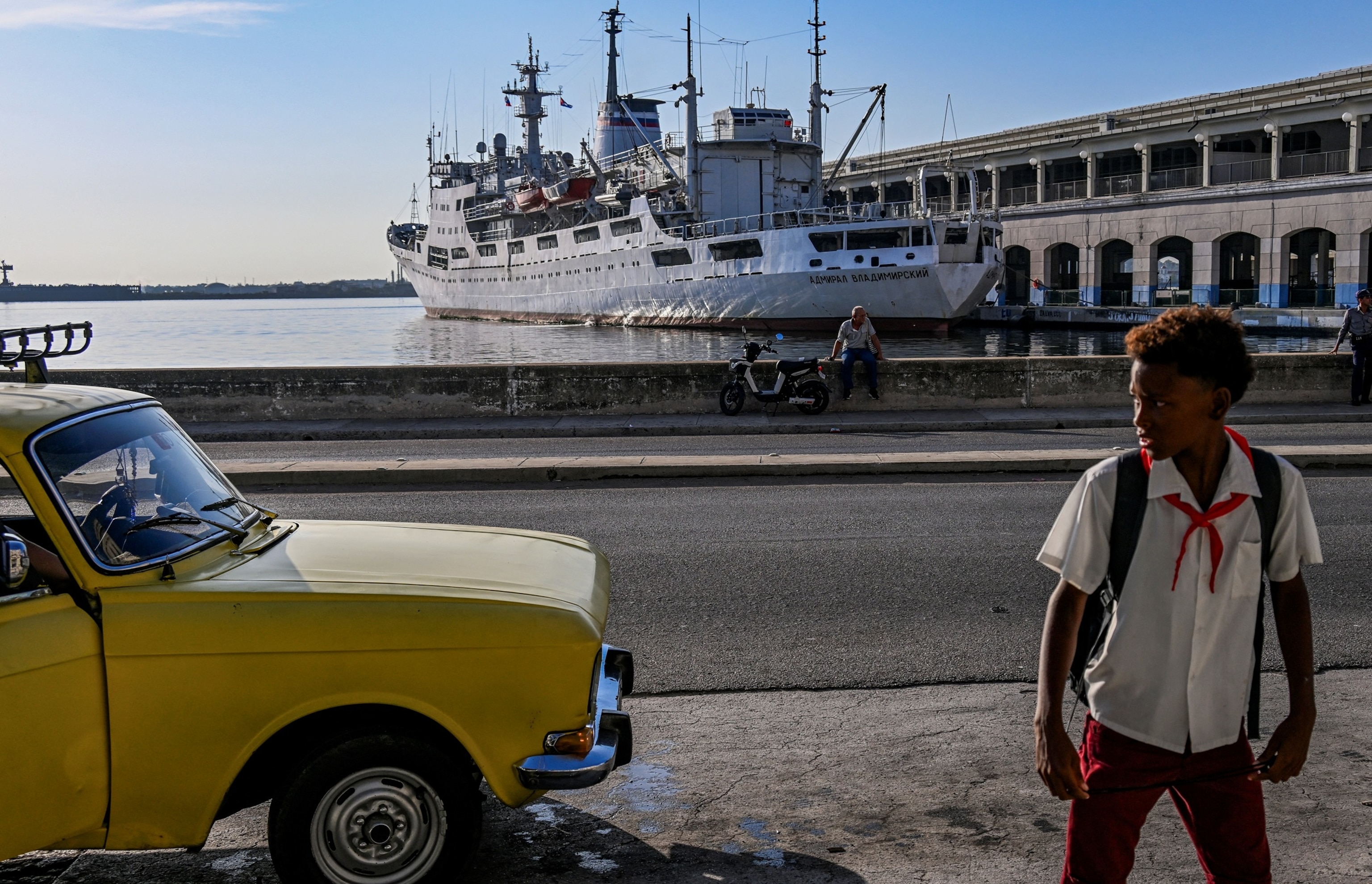
The Russian oceanographic scientific vessel Admiral Vladimirsky remains docked in the Port of Havana, June 9, 2025.
Yamil Lage/AFP via Getty Images
"[The law] recognizes that the effect of the Cuban Government's expropriation was the destruction of the plaintiff 's interest in the property," Thomas wrote. "It then provides a right to compensation based on the plaintiff 's former property interest from those who later traffic in the property and thereby help to support the Communist Cuban Government."
After Trump allowed the provision to take effect, Havana Docks had sued four cruise companies in 2019 over their use of their former piers, and a district court awarded the company more than $400 million. However, the 11th U.S. Circuit Court of Appeals reversed that decision by finding that Havana Dock's claim to the piers would have expired in 2004 under their original agreement with the Cuban government, meaning the cruise lines violated their property rights.
Popular Reads
Justice Thomas rejected that conclusion and said that the use of the docks by the cruise lines was enough to establish liability. Havana Docks, he said, need not establish that the use of the docks interfered with their property rights.
"In that way, confiscated property is, as it were, tainted -- off limits -- such that anyone who uses the property can be liable to those who had an interest in the tainted property," Thomas wrote.
Justice Sonia Sotomayor, together with Justice Brett Kavanaugh, issued a concurring decision to push back on the majority's "limitless" reading of the statute to recover billions of dollars from anyone who uses confiscated property.
"It is unlikely that Congress intended for someone who suffered a finite loss to reap infinite recoveries. Congress defined 'confiscated' property to mean property that was seized by the Cuban Government 'without the property having been returned or adequate and effective compensation provided," Sotomayor wrote.
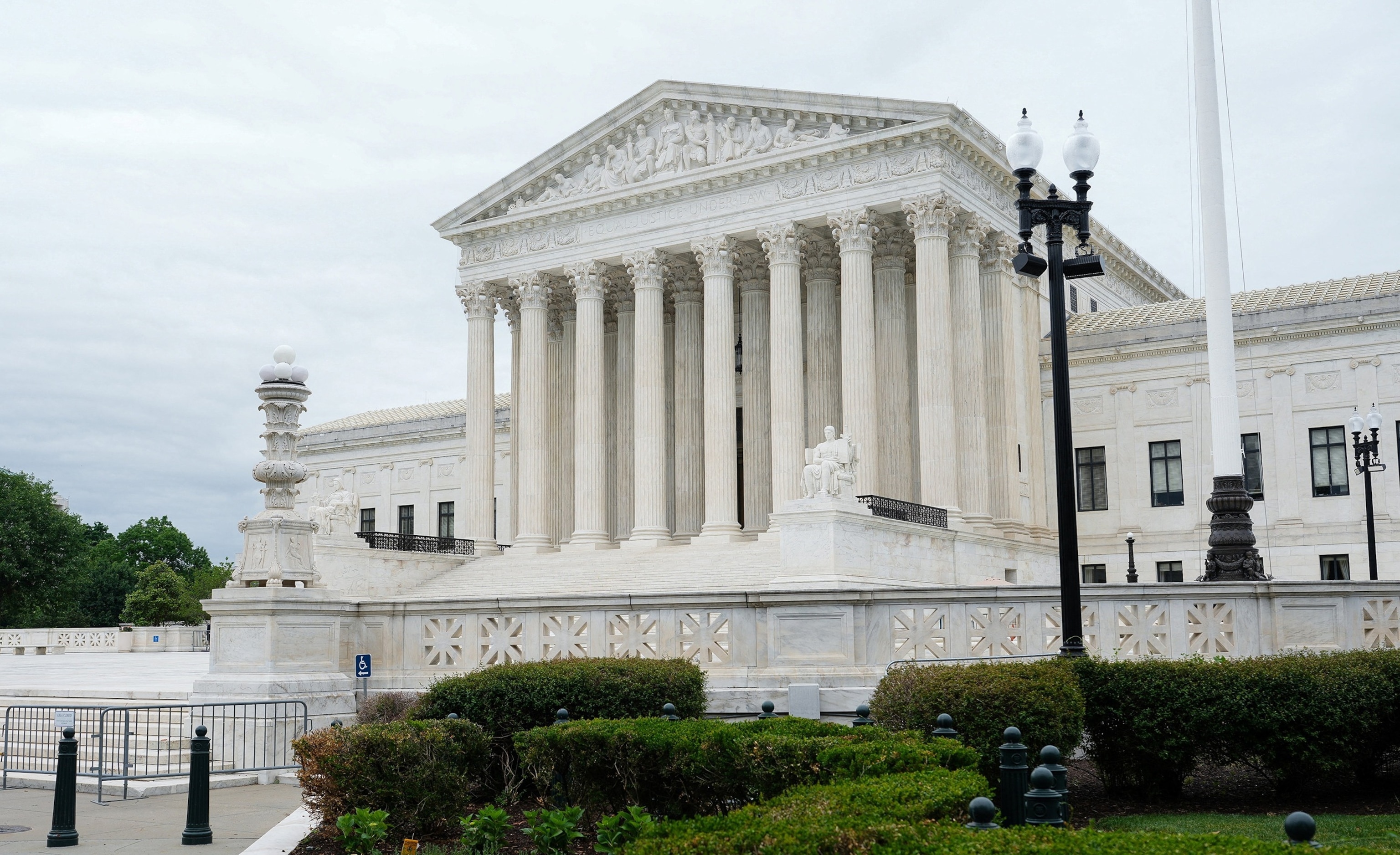
U.S. Supreme Court in Washington, May 21, 2026.
Eric Lee/Reuters
Justice Elena Kagan was the sole dissent, concluding that Havana Docks did not have a right to the piers because their original agreement with the Cuban government would have expired in 2004.
"The docks are not 'property which was confiscated by the Cuban Government' within the meaning of Title III. Why? Because the docks belonged to the Cuban Government -- not Havana Docks -- all along. What Havana Docks owned was only a property interest allowing it to use those docks for a specified time," she wrote.
The Supreme Court is still considering a more significant case about property interests in Cuba. Argued the same day as the Havana Docks case, Exxon Mobil v. Corporacion Cimex considered whether Cuban-owned companies are immune from a lawsuit over property claims. The decision in that case is expected in the coming weeks.