The agency says the mission is one of the more "complex" ones it has undertaken.
July 3, 2026, 5:06 AM
The U.S. Coast Guard is surging resources to help secure July Fourth celebrations in Washington, D.C., and around the country, the head of the agency said.
"We've surged over 1,000 additional people, in addition to our regular Coast Guard forces, 79 boats to 13 cities to make sure we are prepared for any contingency, and we can prevent or respond to any threat," Adm. Kevin Lunday, commandant of the Coast Guard told ABC News' Chief Justice Correspondent Pierre Thomas in an interview on the Potomac River.
For the first time, a large swath of the Potomac around the D.C. monuments will be closed to boaters to make way for a larger than normal fireworks display on the Fourth.
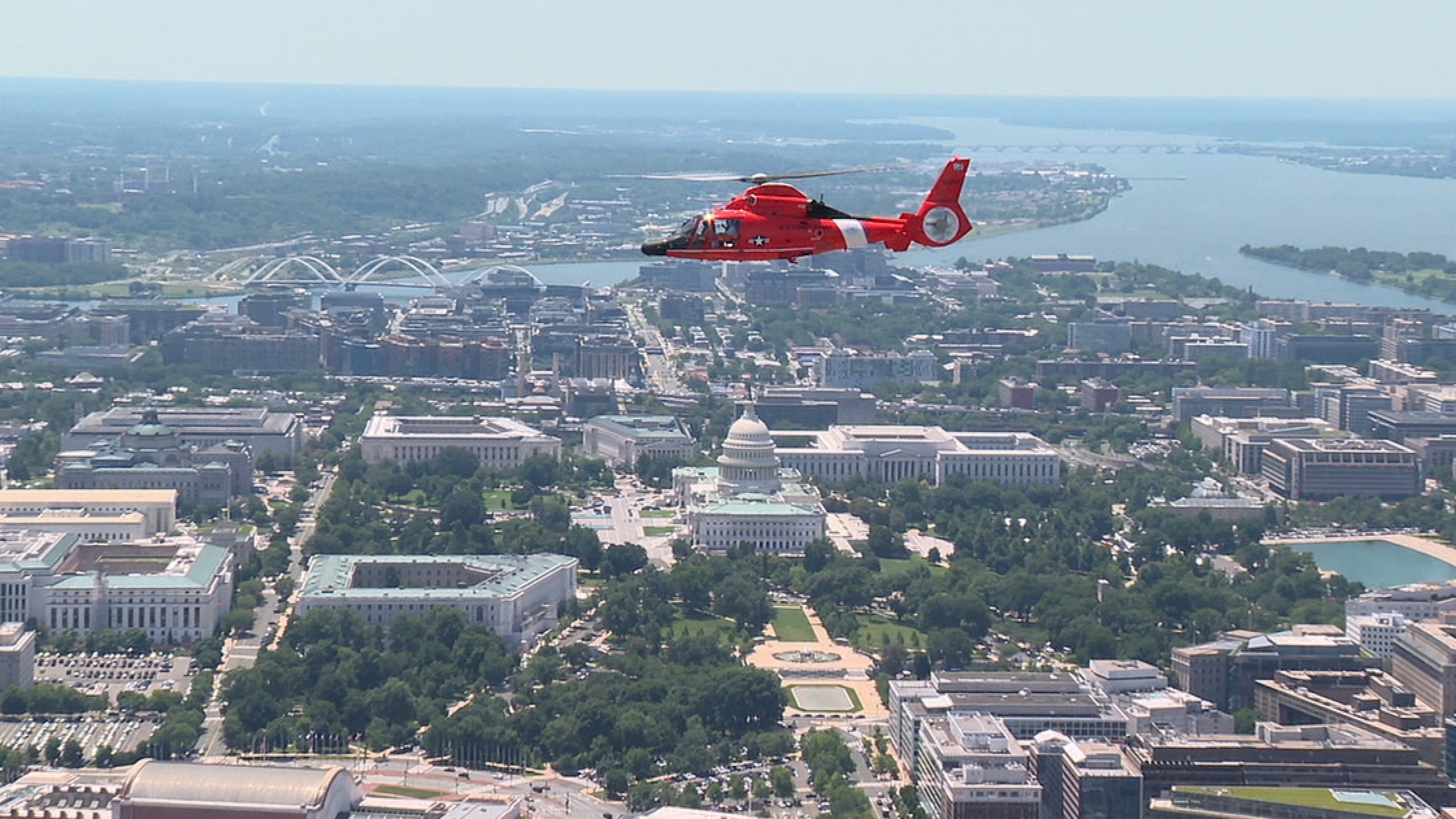
A Coast Guard helicopter flies above Washington, DC during a training exercise on June 30, 2026.
ABC News
Securing this Fourth of July is one of the most "complex" missions the Coast Guard has undertaken, Lunday said.
"The Coast Guard remains always ready, always on watch, vigilant for readiness to address any threat and deal with that threat," he said.
Though the Coast Guard is responsible for securing the nation's ports and waterways, they also have air assets and counter-drone authority.
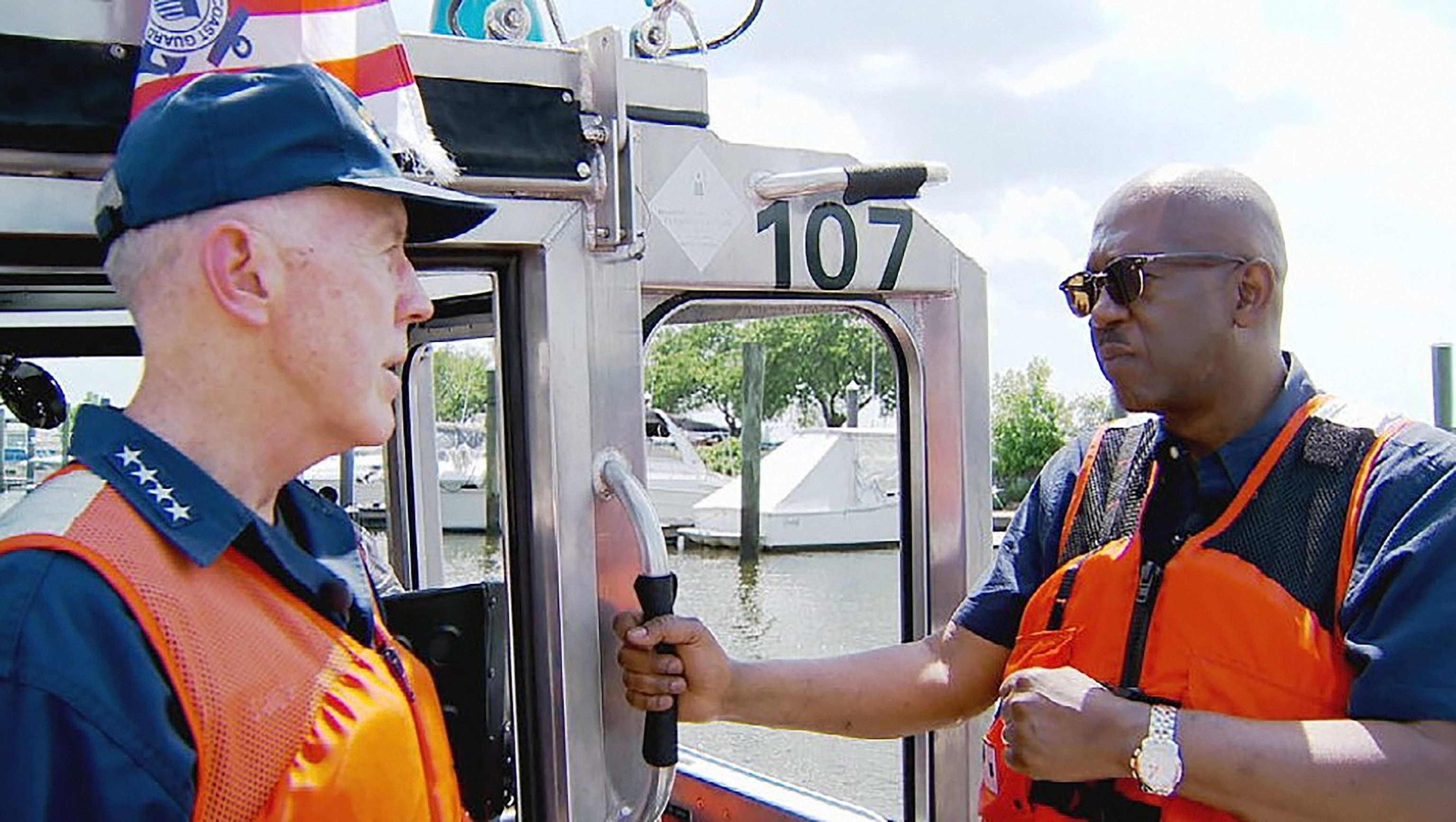
Chief Justice Correspondent Pierre Thomas speaks with Admiral Kevin E. Lunday, the Commandant of the U.S. Coast Guard aboard a boat on the Potomac river.
ABC News
"There's a lot that you don't see that are essential to security as well, and we have counter UAS [unmanned aircraft system] or counter-drone teams to deal with that emerging threat," he said. "We also have cyber operations teams to prevent and protect against cyberattacks. And then there's a whole team that focuses on planning, sharing intelligence and coordinating operations among all those stakeholders to be able to be ready, prevent and, if necessary, respond to any threat that emerges."
Popular Reads
ABC News was granted access aboard a Coast Guard helicopter during a recent exercise when the North American Aerospace Defense Command (NORAD) and the Coast Guard worked together to intercept a small private plane that had crossed into restricted air space around the capital.
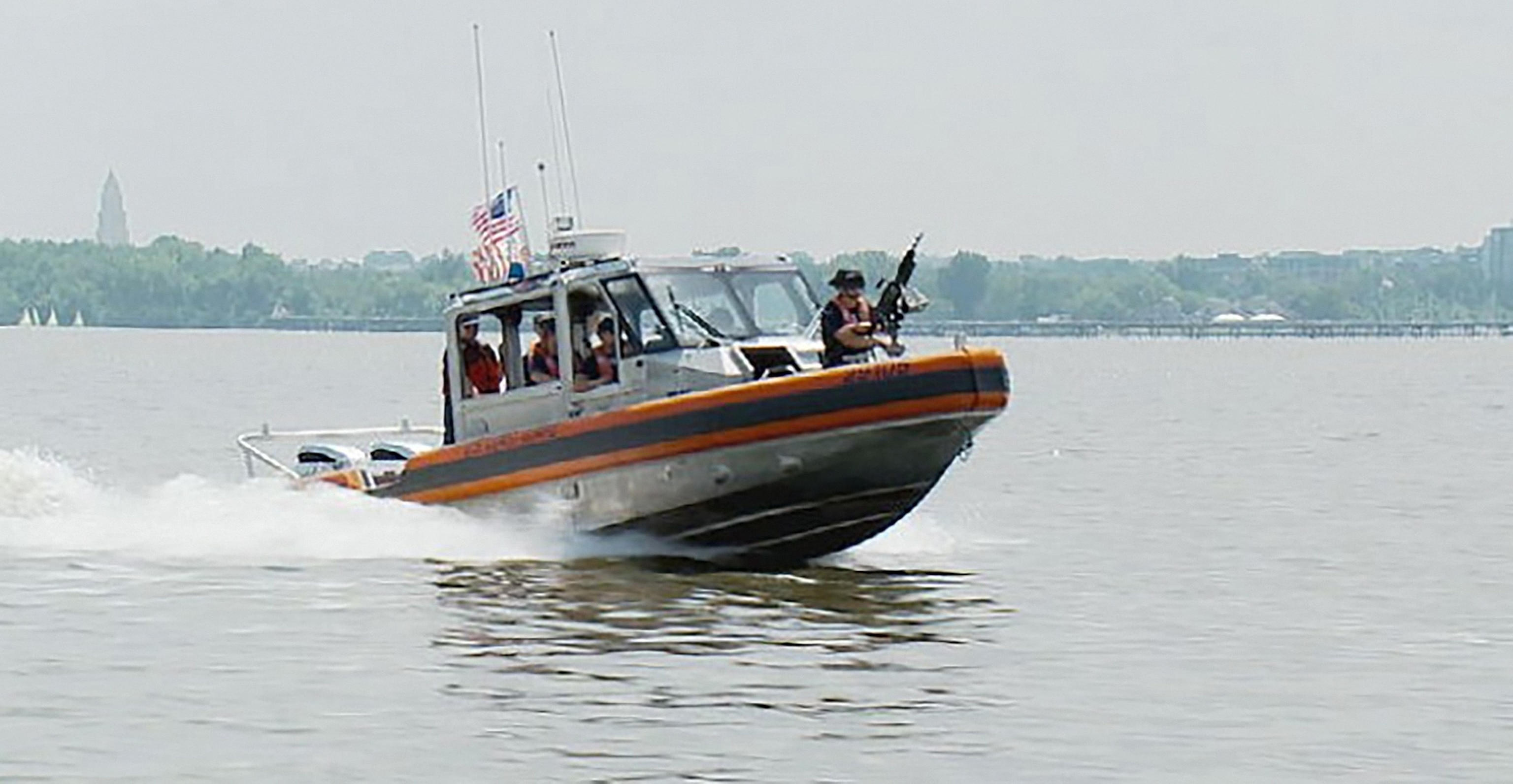
A Coast Guard boat patrols the Potomac River ahead of July 4 celebrations in the naiton's capital.
ABC News
As part of the drill, Coast Guard helicopters and NORAD F-16 fighter jets got airborne immediately after the threat had been identified. The helicopters' role was to de-escalate the situation by trying to engage with the pilot while the armed F-16s provided backup.
As part of the drill, Coast Guard helicopters and NORAD F-16 fighter jets got airborne immediately after the threat had been identified. The helicopters' role was to de-escalate the situation by trying to engage with the pilot while the armed F-16s provided backup.
The small plane landed without further incident at Joint Base Andrews near D.C.