Kirsten RobertsonWest of England

 Getty Images
People have been urged to become citizen scientists and help find and record animals in their area to help conservation efforts.
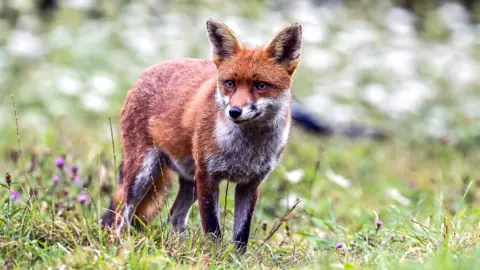
The charity says there are gaps in its records for some of the county's most common species, including snails and foxes, which impacts the help those animals can get.
Becky Fisher, head of engagement at SWT, said: "We have so many incredible species in Somerset - from elusive hares to colourful butterflies - and we can only protect them when we know where they are and how many we have."
More from Somerset
She added: "That's why we need as many people as possible to join us and become citizen scientists."
Over the past four years, nearly 3,000 species records have been successfully collected through the Big Count project, which runs between 18 June and 27 June this year.
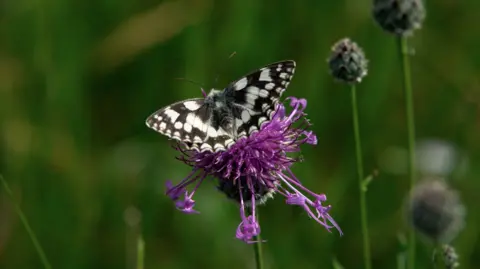
As well as snails and foxes, the trust is particularly keen for people to log sightings of rabbits, slow worms, fungi and butterfly varieties such as the Marbled White.
 Tim Graham/Getty Images
No specialist knowledge is required to take part in the Big Count and observations can be submitted from anywhere across Somerset on the iNaturalist app or via a worksheet which can be emailed to the organisers.
The project is run in partnership between SWT and the Somerset Environmental Records Centre (SERC), which is the main reference centre for biological and geological information for the county.
It holds over four million data records, but says more records are always needed.
Ellen Phillpot, from SERC, said data collected through the Big Count 2026 will "help accurately assess species trends across the county" and identify population sizes, which in turn will direct conservation and survey efforts.
Related internet link